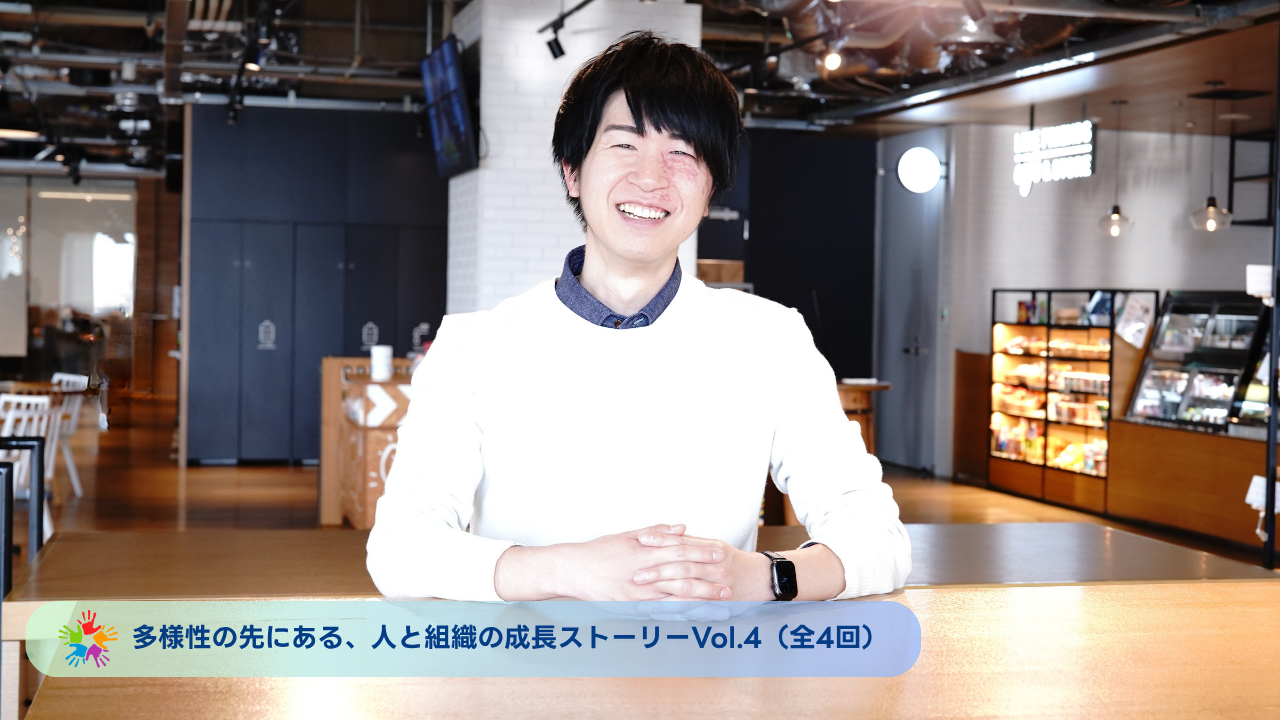
Awareness is growing in society about building diverse organizations. Amid this, employing those with disabilities has become an important topic for companies. In April 2024, we established the Operations Incubation Part, an organization for promoting the recruitment of people with disabilities. We're also building a structure to provide consistent support from recruitment to retention. One year since the Operations Incubation Part was established, we have welcomed many colleagues through our efforts to hire those with disabilities. We spoke with Yusuke Numai, who led the establishment of the new division, to find out how this effort has changed individuals and the organization.
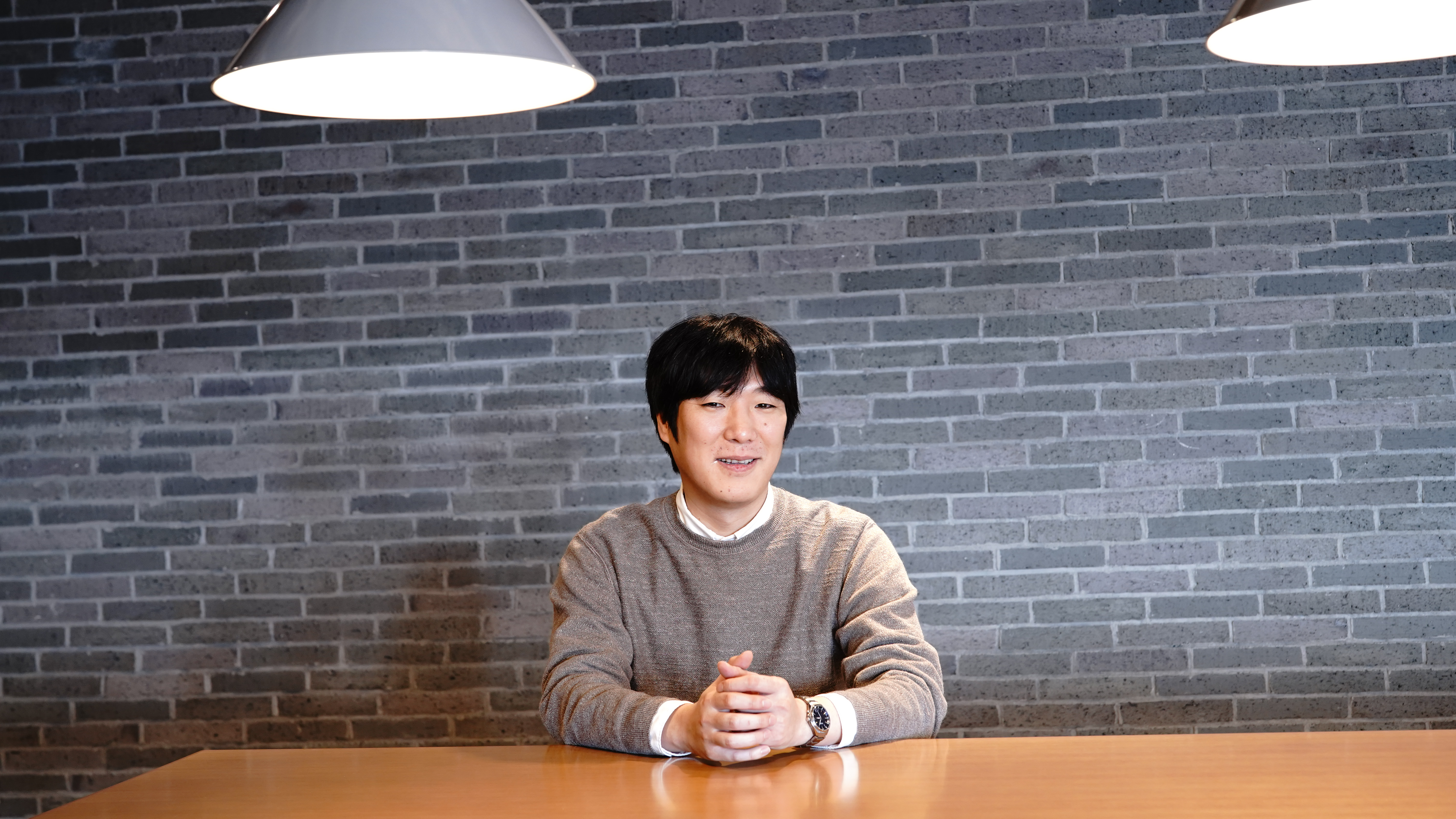
Yusuke Numai
General Manager of the Value Management Division
After working on operational improvement at the predecessor company of LINE Fukuoka (now LY Communications), Numai transferred to LINE Fukuoka in 2013. He currently oversees the Value Management Division, which promotes business improvements across the company, and also manages multiple organizations.
In April 2024, he founded the Operations Incubation Part, a division promoting the employment of people with disabilities.
Background leading up to the establishment of a dedicated organization for promoting the recruitment and retention of people with disabilities
――What led to establishing the Operations Incubation Part and why was it established?

Numai: Our company is grounded in a culture of accepting diverse talent regardless of their nationality or background. We've aimed at being a diverse organization, and when it comes to employing those with disabilities it's important that we have an appropriate environment ready that's rooted in providing them with reasonable accommodations.
Our company operates services used by over 100 million users with diverse characteristics and backgrounds. By having people with equally diverse perspectives in our operations, we can better understand and serve our users, ensuring thoughtful and inclusive operations.
From this background, we launched the Operations Incubation Part as a dedicated organization that covers everything from developing a special workflow for recruiting people in service operations to building a supportive environment for them after they've joined the company.
Creating a supportive environment and establishing the "job coach" system
――
What steps did you take to build the recruitment and support systems?
Numai: Because people have a wide range of characteristics, it's sometimes difficult to assign them directly to existing on-site roles. So first, I met with each department head to explain how our organization came to be and its societal significance. Then we looked into which specific tasks could be partially assigned. Once we had a list of possible assignments, we began recruiting, mainly in collaboration with employment support centers for people with disabilities in Fukuoka Prefecture.

――What about the post-recruitment support system?
Numai: We have set up a new in-house job coaching system. These coaches work closely with new employees, providing coaching to enhance work comfort and engagement, and helping define the steps in their careers. We've also established regular online gatherings where members with disabilities could come together. In these ways, we've established what's needed by our employees from both the structural and mentoring aspects, as well as the interpersonal relationship aspects.
We also handle reasonable accommodations by interviewing everyone beforehand to understand where they may run into difficulties. We document these points and with their consent share them only with supervisors and other limited personnel. We then work with them to accommodate requests such as preferred communication styles and work environments.

100% retention after one year: The positive impact of inclusion on the workplace
―― Have there been any changes in recruitment since the organization was established?
Numai: By expanding recruitment, I've realized that there's more people now that need mental health support compared to before. It used to be that employees with intellectual or physical disabilities in our company were mostly assigned to back-office roles. Since we started this program, however, we've welcomed people with a wider range of characteristics.
With support from the Operations Incubation Part, we can now assign them to the service operations roles that make up the core of the company's business. We set the same goals and KPIs for them as for other employees, on the premise that any considerations they say would help them fully utilize their abilities will be addressed through our systems and accommodations.
――What sort of changes have occurred in the workplace?

Numai: Everyone has become more proactive about considering how we can bring about reasonable accommodations. For example, we consider the level of detail when sharing information. Instructions that used to be given verbally in broad strokes are now also turned into manuals and given in writing, and explained verbally, with concrete details such as what to do in certain conditions. This not only helps employees who prefer precise and detailed information, but has a positive overall effect by improving accuracy in how other employees also convey information.
――It sounds like paying attention to reasonable accommodations is helping everyone work better. How else have you worked on creating an accommodating work environment?
Numai: We set up a dedicated career ladder for employees with disabilities working in operations departments.
Because our business covers a wide range of tasks, evaluation indicators tend to become abstract when optimized company-wide.
To make personal growth stages for operational tasks easy for employees with a wide range of characteristics to visualize, we made explicit the concrete behavioral standards for what employees can do to move up to the next rank.
For example, we envision employees advancing from reliably executing their assigned tasks to understanding related processes and sharing their observations and proposed improvements.
Additionally, based on a job coach's suggestion, we launched the "Diversity Channel", a community that connects other colleagues with disability certificates. It serves as a safe space to share and discuss worries related to their characteristics as well as life hacks for overcoming one's challenges. This seems to be helping improve psychological safety in the workplace.

— It was said that in the year since the Operations Incubation Part was launched, employees with disabilities who received its support from recruitment to assistance have a 100% retention rate. What do you think are the main reasons for this?
Numai: There are several factors, but an especially large one is that we identified and prepared a variety of roles from each department before recruiting. If an assignment isn't the right fit, we can be flexible in adjusting it to match the employee's aptitude. There are cases where the employee is assigned directly to their post while receiving support, but all in all, I feel that guaranteeing diversity in working styles and jobs leads to retention.
Having in-house job coaches is another major factor.
They conduct mandatory weekly one-on-one meetings, keep track of each person's situation and also collect multifaceted feedback from supervisors and colleagues. They also function as buffers when gaps emerge between employees and their departments. This mental support system has contributed greatly to our high retention rate.

Aiming to be an organization where everyone can show what they're capable of
— Looking back over the past year, what realizations or challenges have you found?
Numai: Over the past year, we've focused on preparing systems in various areas, including managing health and safety and designing career paths while we recruit. As a result, understanding has grown significantly in departments where employees with disabilities have been assigned. This has also come about with the close involvement of the job coaches. However, I've noticed that these initiatives are still confined to the Operations Incubation Part, and awareness hasn't spread to other organizations within the company that we haven't been in contact with.
Recently, we've had employees come forward who either didn't disclose having a disability certificate when they joined the company or obtained one later. We've since started regular mentoring for them with job coaches. Of course, increased options for labor are important, but having more support options is also crucial. In this sense, as well, it's important to spread awareness of this organization.
— Finally, how do you envision the future of a diverse organization?

Numai: Currently, employees share their strengths and challenges when they join the company, but in the future, I want to create an environment where everyone in the organization, regardless of their disability status, can understand and be considerate of each other's characteristics. There are many people who regardless of whether they have a disability certificate could perform better if shown a little understanding. Starting with hiring people with disabilities, I believe that creating an environment where everyone can show what they're capable of is something we should promote as part of our corporate culture.
Also, from a business perspective, LY Corporation has various services that are used in a multitude of different ways by a diverse group of users. I believe this makes it clearly beneficial to have people in our operations with diverse perspectives and backgrounds. We're also attempting a project where we assign people with visual or hearing impairments to test the accessibility of apps and websites. We'll then incorporate the feedback they give us from using the products, which includes things a non-disabled user likely wouldn't notice. I want us to expand our endeavors to turn characteristics that are labeled as "disabilities" into strengths.
.png)